

Choosing Fasteners for Outdoor and Marine Environments
Corrosion resistance is about more than stainless steel. Coating system, crevice design, and galvanic pairing matter too.
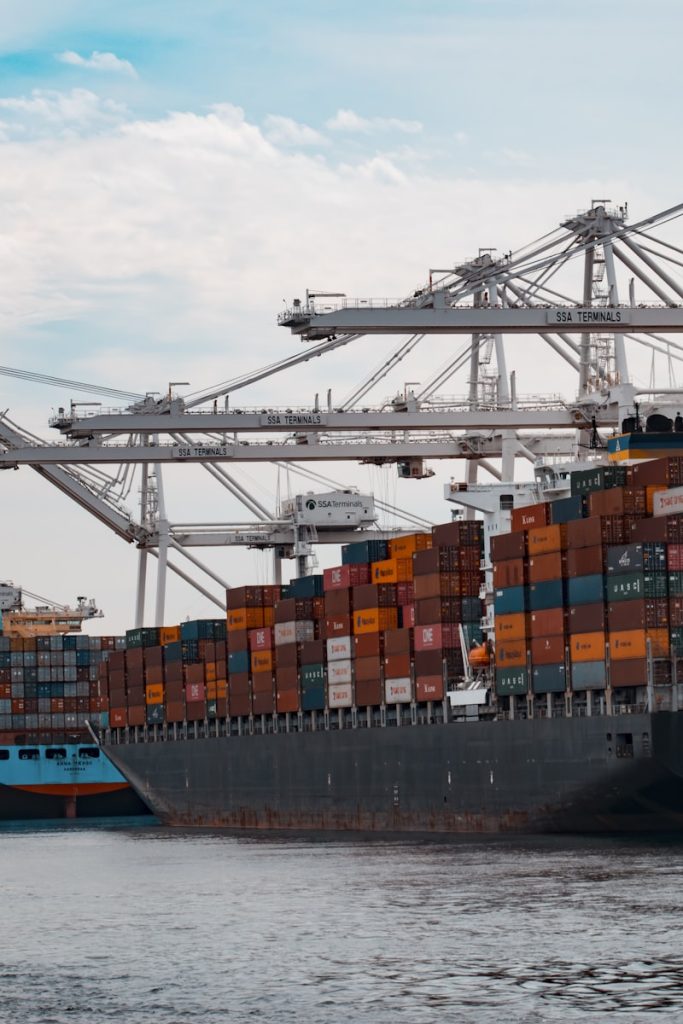
Outdoor and marine environments subject fasteners to severe atmospheric salt spray, high humidity, UV exposure, and cyclic thermal stresses. Selecting the right hardware requires understanding corrosion mechanisms beyond basic alloy selection.
Material Selection Tiers
- 304 (A2) Stainless Steel: Suitable for general outdoor environments away from coastlines and industrial pollution.
- 316 (A4) Stainless Steel: Contains 2-3% molybdenum, providing superior resistance to chloride pitting in coastal and marine splash zones.
- Duplex 2205 / Super Duplex: Combines high yield strength with exceptional resistance to stress corrosion cracking (SCC) in offshore oil & gas structures.
- Hot-Dip Galvanized (HDG): A heavy sacrificial zinc layer (50-85 µm) providing decades of maintenance-free service for heavy structural connections.
Preventing Galvanic Corrosion
Never pair stainless steel fasteners directly with aluminum without non-conductive insulating washers (such as EPDM, PTFE, or nylon). The dissimilar metals create a galvanic cell in the presence of an electrolyte, rapidly degrading the aluminum substrate.